Sooner than later, most homeowners face the question: Is Remodeling a House Worth It?. It can be due to an outdated kitchen or need for more space, or simply because your home doesn’t meet your lifestyle requirements.
Moving is no doubt a very costly affair, and that’s where remodeling comes into the picture, but is it really worth it?
That’s what we will answer in today’s blog post, but before that, let’s understand what it exactly is.
What Does Remodeling a House Mean?
In simple terms, remodeling a house means making significant changes to your home’s structure, layout, or function.
The changes can be with respect to all or one of these aspects. Some examples include removing walls to join
spaces, reconfiguring rooms, or upgrading kitchens and bathrooms.
However, one shouldn’t mistake it for simple renovations, since remodeling often involves structural changes and
alterations to a space.
Is Remodeling a House Worth It?
For almost all homeowners, remodeling is a worthwhile investment as it can drastically improve comfort and
property value. According to the 2024 Cost vs. Value report, many common remodeling projects return a large
portion of their cost on resale. Additionally, remodeling projects make your home more functional and appealing,
which results in added comfort and a faster transaction. All these factors combined make remodeling worth it.
Benefits of Remodeling a House
While we touched on some benefits of remodeling a house, below we highlight a few more.
1. Increases Property Value
Remodeling, when done right, can significantly increase your home’s resale value, especially when it elevates all
factors like appearance, functionality, and buyer appeal. Common examples include upgrades such as replacing a
garage door, which can deliver returns of up to 194% of the project cost, according to a report published by the
Journal of Light Construction. This makes remodeling one of the most effective ways to boost a home’s market
value.
2. Improves Comfort and Functionality
Remodeling allows homeowners to redesign spaces to better match the requirements of their daily lives. This is
especially true for projects like kitchen upgrades, bathroom improvements, and open-concept layouts, which can
make homes easier to live in and even more enjoyable.
3. Enhances Energy Efficiency
Remodeling often includes upgrades that make your home more energy efficient. Some of these include:
● Better insulation
● Installation of energy-efficient windows
● Modern HVAC systems
● LED lighting
● And so on
According to the US Department of Energy, most homeowners happily save up to 30% on energy bills through
upgrades like improved insulation and air sealing. Energy-efficient remodeling also makes homes more attractive to
environmentally conscious buyers.
4. Helps Personalize Living Space
Remodeling is one of the best ways for homeowners to tailor their homes to their lifestyle, taste, and daily routine.
Whether you want to add a home office, upgrade a kitchen layout, or create a more open living area, remodeling can
help you achieve all of that and more.
5. Helps Outdated Spaces
Remodeling can give an otherwise outdated or worn space an entirely new look. That means older homes can be
transformed with modern design and functionality. This is especially true when upgrading kitchens and bathrooms.
Many homeowners renovate to specifically remove older features and finishes. This not only improves their daily
lives but also makes a home more appealing for buyers.
How Remodeling Impacts Home Value?
Remodeling can increase a home’s value by improving functionality, modernizing spaces, and boosting buyer
appeal. Updates to kitchens, bathrooms, and outdoor spaces can help sell the home faster.
In addition to boosting resale value, remodeled homes often sell faster.
When Remodeling Makes the Most Sense?
Remodeling is suitable in many cases, such as:
1. When Your Home Layout No Longer Works
As families grow and lifestyle too changes, the original layout of a home may stop meeting everyday needs. Rooms
might feel small, there might be a shortage of space, and the connecting areas might seem inconvenient.
Remodeling allows homeowners to change all of that and more. That’s because it’s common to reconfigure the
layout during remodeling. Walls can be opened up, storage added, and even multipurpose spaces created. All this
can make your home more functional. Instead of moving, homeowners can opt for remodeling to better align their
existing space with their lifestyle needs.
2. When the Cost of Moving is Higher
In many cases, opting for remodeling is more about the finances than making your home comfortable. Moving to a
new home involves significant expenses, including closing costs, moving expenses, real estate agent commissions,
and higher mortgage costs. According to the Realtors, closing costs for a new home can range from 2% to 6% of the
home’s purchase price. Remodeling allows homeowners to avoid all the additional costs and enjoy the same
comfort in their existing home in a familiar neighborhood. Thus, it makes perfect sense to opt for remodeling over
moving into a new home.
3. When Your Home Has Strong Structural Foundations
Remodeling makes most sense when the core foundation of your home is in good condition. As long as the
foundation, framing, and roof are in good condition, upgrading interiors like kitchens, bathrooms, and living spaces is
practical and cost-effective. The good news is that these foundational elements of your home can easily last for
more than 3 decades, making remodeling an excellent choice.
4. When Expanding or Recongiuring Space is Possible
Remodeling also makes sense when it’s possible to reconfigure or expand your home’s layout. This often involves
removing non-load-bearing walls, finishing basements, converting attics, or building additional spaces. According to
the census, home sizes have steadily increased over time, which underlines the need for more usable space. Since
remodeling can help achieve that, it’s the right choice in most cases.
5. When You Want to Increase Long-term Property Value
Remodeling is a good choice if you want to boost your property’s value. Strategic upgrades like kitchens, bathroom
and exterior features can make a home more appealing. Also, it’s possible to recoup most of the cost of these
remodeling projects at resale, making them well worth it.
6. When You Plan to Stay in the Home for Several Years
Remodeling a home makes perfect sense when you plan to live in the home for several more years. Staying in the
remodeled home allows you to enjoy the improvements and upgrades, making your life more convenient and
comfortable. Additionally, the upgrades boost satisfaction with living in that home.
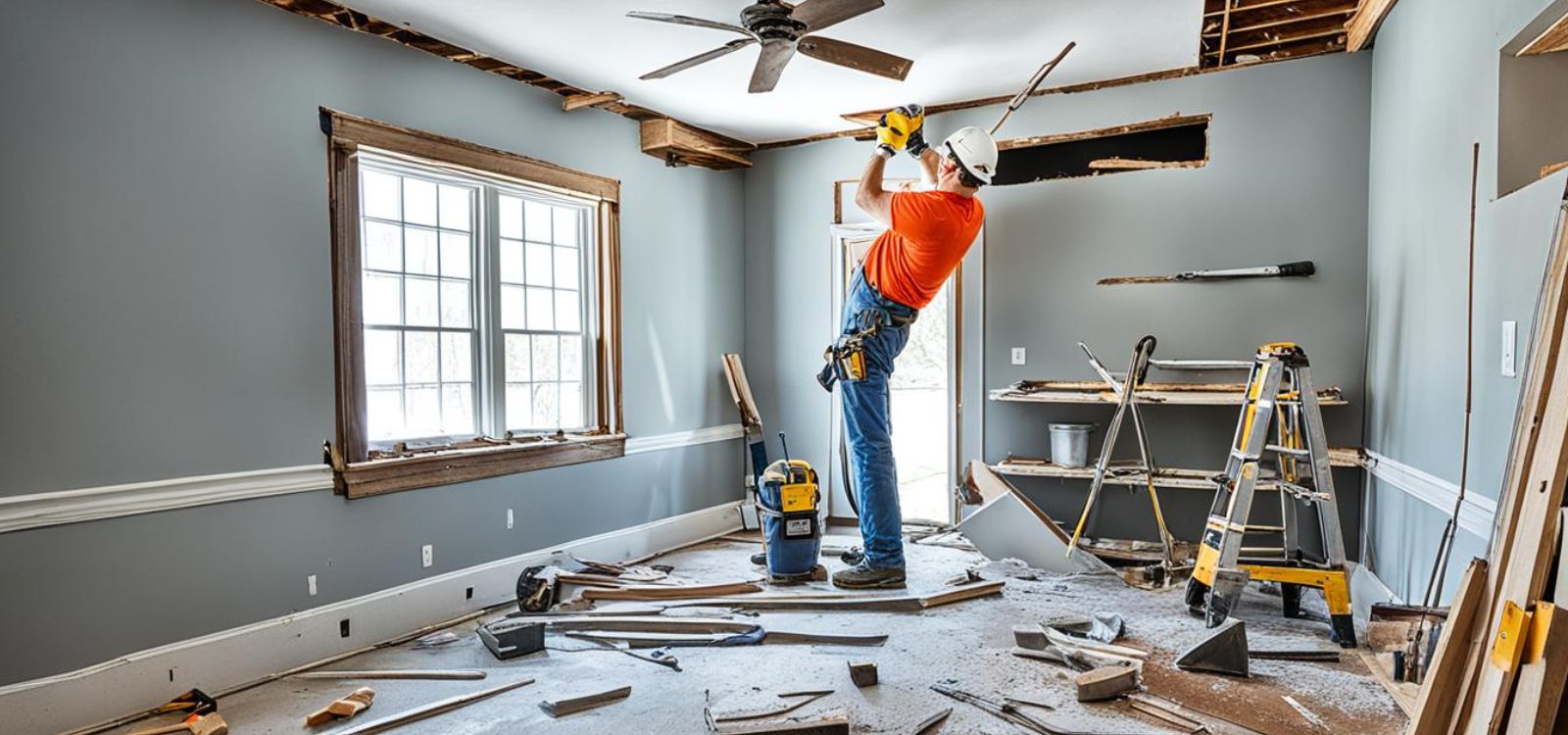
Tips to Get the Most Value From Your Remodeling Project
Remodeling projects can be pretty complex specially if you don’t follow some of the tips below.
1. Start With Clear Remodeling Goals
Before hiring any remodeling contractor, it’s a good idea to determine the goals. It helps you prioritize projects. The
goals can guide:
● Design decisions
● Budgeting
● Contractor negotiations
It also ensures that remodeling projects are completed on a pre-designated timeline and don’t drag on forever.
2. Set a Realistic Budget
Setting a realistic budget helps ensure your remodeling project stays manageable and helps avoid overspending.
Additionally, setting a budget helps allocate costs across project segments, such as design fees, permits, and
unexpected repairs.
The only way to achieve a good ROI from a remodeling project is to set the budget in advance and stick to it.
3. Focus on High-Impact Areas
The best way to extract value from a remodeling project is to prioritize high-impact areas such as:
● Kitchens
● Bathrooms
● Outdoor spaces
Most remodeling projects dedicated to these areas not only deliver high homeowner satisfaction but also help
recoup most of the costs at resale.
4. Work With an Experienced Remodeling Handyman
Working with an experienced remodeling handyman can make smaller home improvement projects much easier to
manage. Upgrades like installing cabinets, replacing countertops, repairing drywall, or painting can be handled
efficiently by a skilled handyman. These types of projects might not require major structural changes, but hiring an
experienced handyman ensures professional workmanship.
5. Prioritize Improvements That Add Long-term Value
When planning a remodeling project, also prioritize improvements that will add long-term value to your home, even if
this means avoiding most short-term trends. Some examples include opting for energy-efficiency upgrades, adding
storage space, or choosing durable flooring. These upgrades are usually timeless and practical, which means they
deliver value for a long-time.
FAQs
Which Home Remodeling Projects Offer the Best Return on Investment?
Interior updates like kitchen remodeling, bathroom renovations, energy-efficient improvements, and exterior
upgrades like door replacement, siding improvements, and the addition of outdoor spaces often provide the highest
ROI among remodeling projects.
Can Remodeling Improve Energy Efficiency in a Home?
Yes, remodeling can significantly improve a home’s energy efficiency, especially if you opt for better insulation,
energy-efficient windows, modern HVAC systems, and LED lighting. Homeowners can also opt for smart
thermostats to further optimize energy use and lower utility bills.
Transform Your Existing House Into a Dream Home You’ve Always Wanted
So, yes, when done right, the answer to the question, ” Is remodeling a house worth it, is a clear yes. Just follow our
guide above to easily decide which remodeling projects offer the best value and ROI.
Want to transform your home and make it more comfortable? Contact us today for a free remodeling consultation.